The Straightforward Harley Buyer Playbook


-
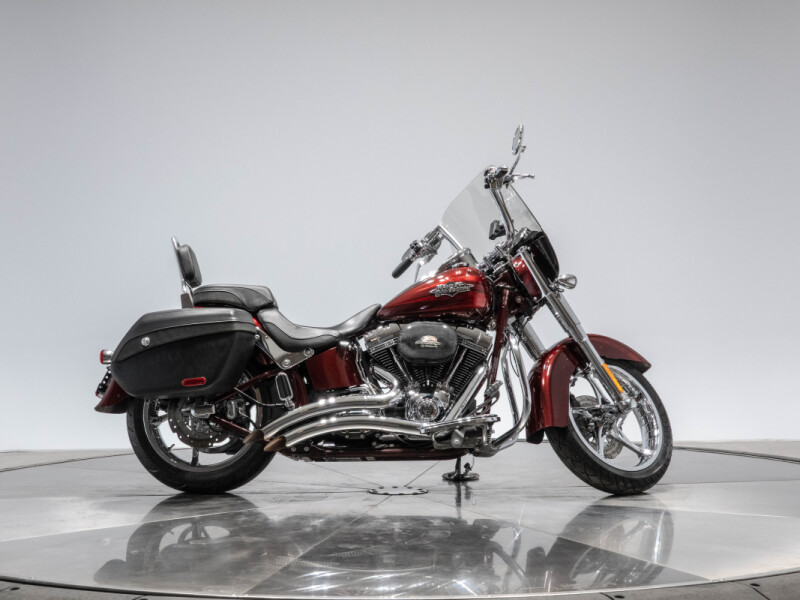
2012 HARLEY-DAVIDSON FLSTSE2 SOFTAIL CONVERTIBLE in Crimson Red Sunglo
$12,999- 961459
- Pre-owned
- 2012
- 22351 mi
- Harley-Davidson®
- Wilkins Harley-Davidson®
- 1HD1PY916CB961459
- Crimson Red Sunglo
Inventory Spotlight2012 Harley-Davidson CVO Softail Convertible in Crimson Red SungloTwo Bikes in One Premium Factory Custom - 22,351 Miles. Experience ultimate versatility with this stunning 2012 Custom Vehicle Operations (CVO) Softail Convertible. Drenched in the brilliant, deep Crimson Red …
-
-
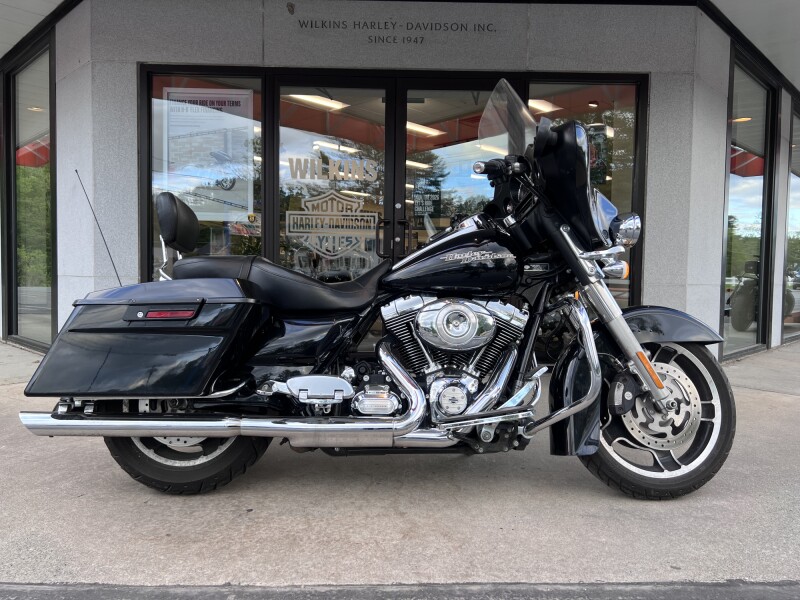
2013 HARLEY-DAVIDSON FLHX STREET GLIDE in Vivid Black
$13,199- 636689
- Pre-owned
- 2013
- 23619 mi
- Harley-Davidson®
- Wilkins Harley-Davidson®
- 1HD1KBM13DB636689
- Vivid Black
Inventory SpotlightThe Open Road Awaits: 2013 Street Glide in Vivid BlackHigh-Value Touring Model - 23,619 Miles. This 2013 Street Glide, one of the most popular touring models, is powered by the legendary Twin Cam 103 engine. Finished in classic Vivid Black, this motorcycle is priced affordably at …
-
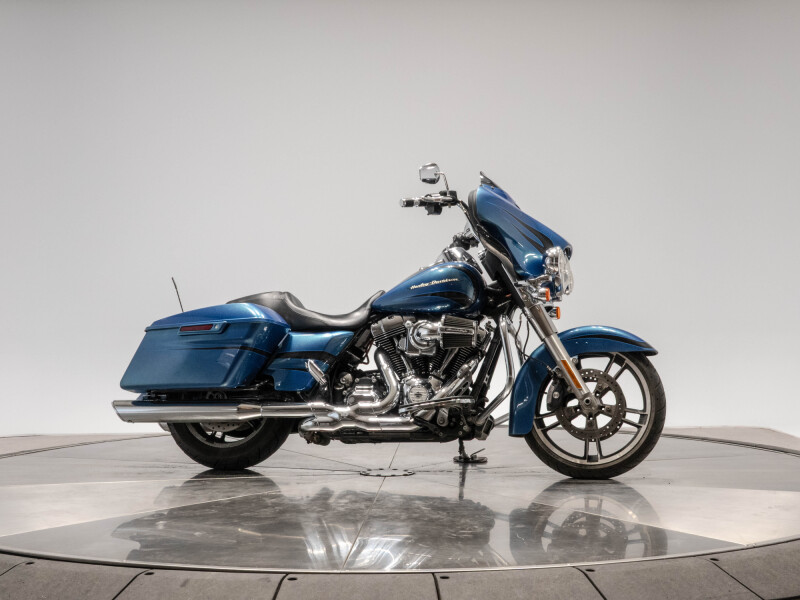
2014 HARLEY-DAVIDSON FLHX STREET GLIDE in Daytona Blue
$14,999- 614830
- Pre-owned
- 2014
- 28058 mi
- Harley-Davidson®
- Wilkins Harley-Davidson®
- 1HD1KBM19EB614830
- Custom Colour Daytona Blue Pearl
Inventory Spotlight2014 Harley-Davidson Street Glide in Daytona Blue PearlProject RUSHMORE Innovation, Striking Deep Pearl Finish — 28,058 Miles. Take command of the blacktop with this beautifully styled 2014 FLHX Street Glide. Bathed in the highly sought-after Daytona Blue Pearl factory paint, …
-
-
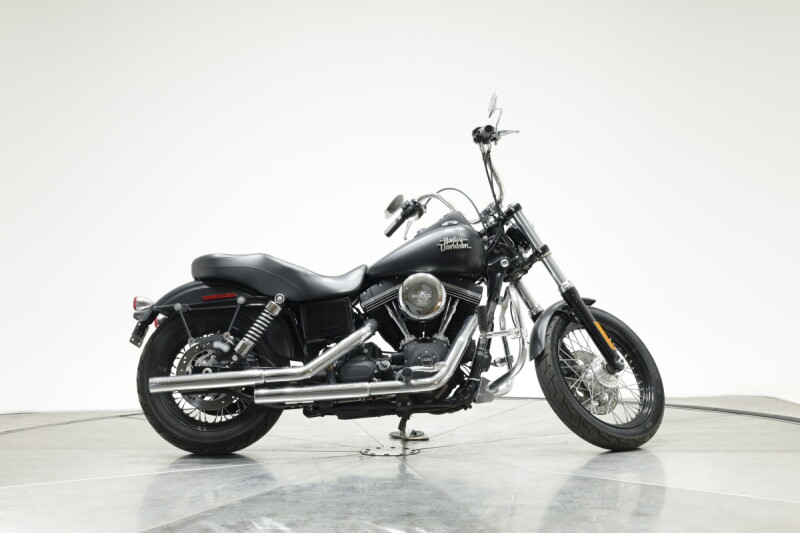
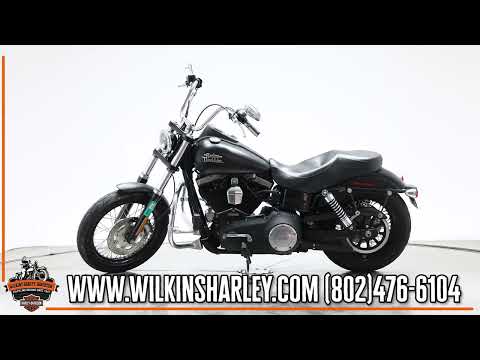
2014 HARLEY-DAVIDSON FXDB103 STREET BOB in BLACK DENIM with 13089 miles
$10,499 $9,999Save $500- 311898
- Pre-owned
- 2014
- 13089 mi
- Harley-Davidson®
- Wilkins Harley-Davidson®
- 1HD1GXM16EC311898
- Black Denim
2014 Harley-Davidson FXDB103 Street Bob | Black Denim | Wilkins Harley-Davidson2014 Harley-Davidson FXDB103 Street Bob – Black Denim – 13,089 MilesThis 2014 FXDB103 Street Bob in rugged Black Denim paint is the definition of bare-knuckle Harley attitude. With 13,089 miles, this Dyna is tuned for …
-
-
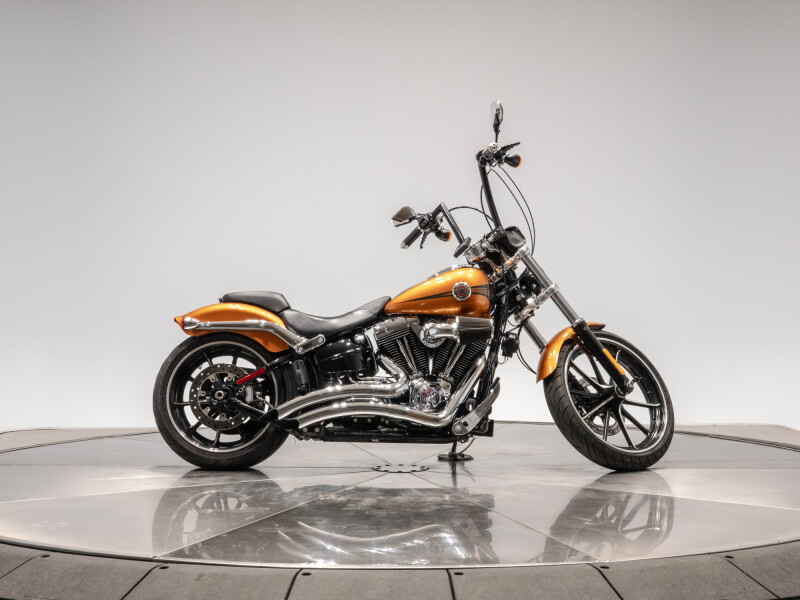
2014 Harley-Davidson FXSB Softail Breakout in Amber Whiskey with 9,891 miles
$12,999- 020810
- Pre-owned
- 2014
- 9891 mi
- Harley-Davidson®
- Wilkins Harley-Davidson®
- 1HD1BFV15EB020810
- Amber Whiskey
Inventory Spotlight2014 Harley-Davidson Softail Breakout in Amber WhiskeyMuscle Car Styling - 9,891 Miles.\ This 2014 Softail Breakout, finished in the deep, rich Amber Whiskey color, delivers an aggressive, muscular profile with its raked-out fork, chopped fenders, and massive 240mm rear tire. …
-
-
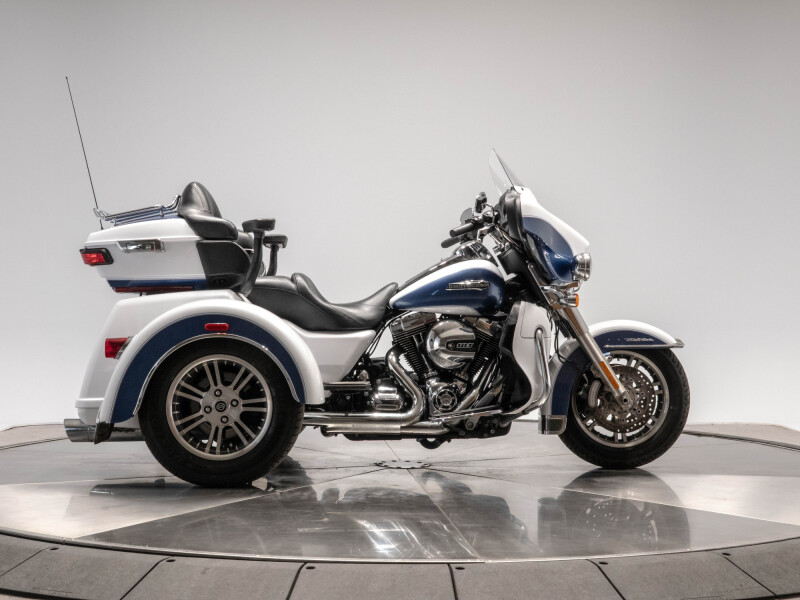
2015 HARLEY-DAVIDSON FLHTCUTG TRI GLIDE ULTRA in White Hot/ Blue Hot
$22,499- 859768
- Pre-owned
- 2015
- 22750 mi
- Harley-Davidson®
- Wilkins Harley-Davidson®
- 1HD1MAL16FB859768
- Two-Tone White Hot Pearl/Blue Hot Pearl
Inventory Spotlight2015 Harley-Davidson Tri Glide Ultra in White Hot and Blue HotAdventure Awaits - 22,750 Miles. This 2015 Tri Glide Ultra is a proven touring machine, stunningly finished in the vibrant two-tone White Hot and Blue Hot. With 22,750 miles, this three-wheeled cruiser is primed for …
-
-
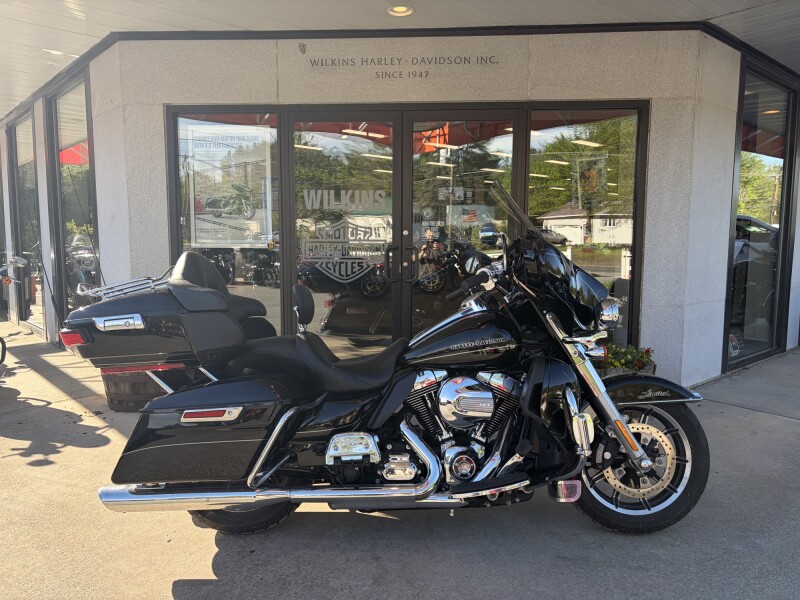
2015 HARLEY-DAVIDSON FLHTK LIMITED in Vivid Black
$13,499- 704718
- Pre-owned
- 2015
- 18553 mi
- Harley-Davidson®
- Wilkins Harley-Davidson®
- 1HD1KEL1XFB704718
- Vivid Black
Inventory Spotlight2015 Harley-Davidson Ultra Limited in Vivid BlackUltimate Long-Haul Comfort - 18,553 Miles. This 2015 Ultra Limited is the definitive cross-country touring machine, finished in Harley-Davidson's timeless and deep Vivid Black. Boasting a highly capable 18,553 miles, this premium …
-
-
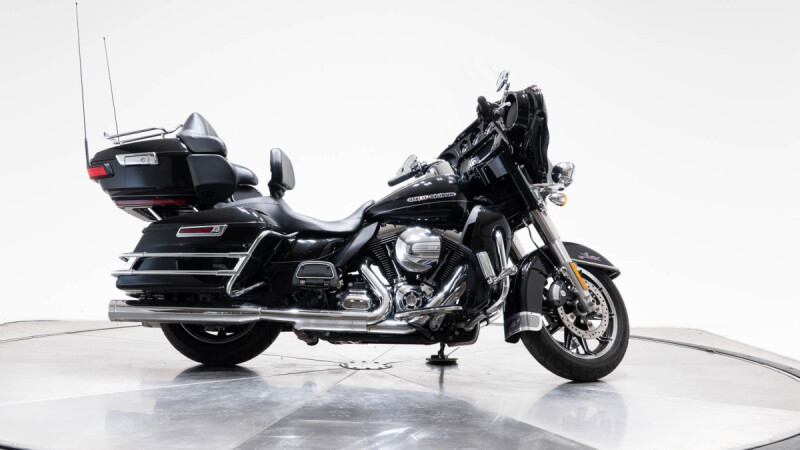
2015 HARLEY-DAVIDSON FLHTK Ultra Limited in Vivid Black with 19297 miles
$13,499- 647713
- Pre-owned
- 2015
- 19297 mi
- Harley-Davidson®
- Wilkins Harley-Davidson®
- 1HD1KEL1XFB647713
- Vivid Black
2015 Harley-Davidson FLHTK Ultra Limited | Vivid Black | Wilkins Harley-Davidson💎 2015 Ultra Limited – Vivid Black – Just 19,297 Miles!If you’re chasing comfort and capability on long rides, this 2015 Harley-Davidson FLHTK Ultra Limited in sleek Vivid Black delivers in every category. With just 19,…
-
-
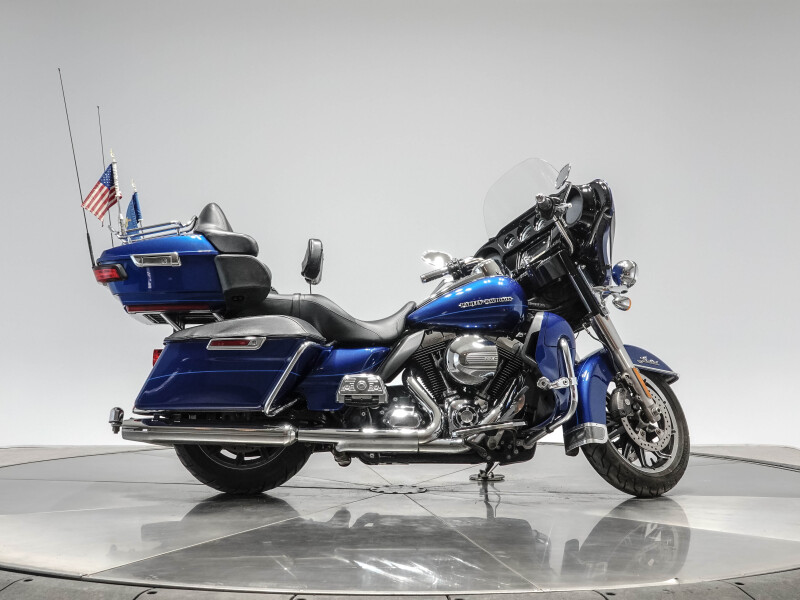
2015 HARLEY-DAVIDSON FLHTKL ULTRA LIMITED LOW in Superior Blue
$14,799- 645982
- Pre-owned
- 2015
- 18940 mi
- Harley-Davidson®
- Wilkins Harley-Davidson®
- 1HD1KKL17FB645982
- Superior Blue
Inventory Spotlight2015 Harley-Davidson Ultra Limited Low in Superior BluePremium Grand Touring Luxury with a Confident, Lower Stance — 18,840 Miles. Hit the highway with absolute peace of mind on this beautiful 2015 FLHTKL Ultra Limited Low. Drenched in the gorgeous Superior Blue factory paint …
-
-
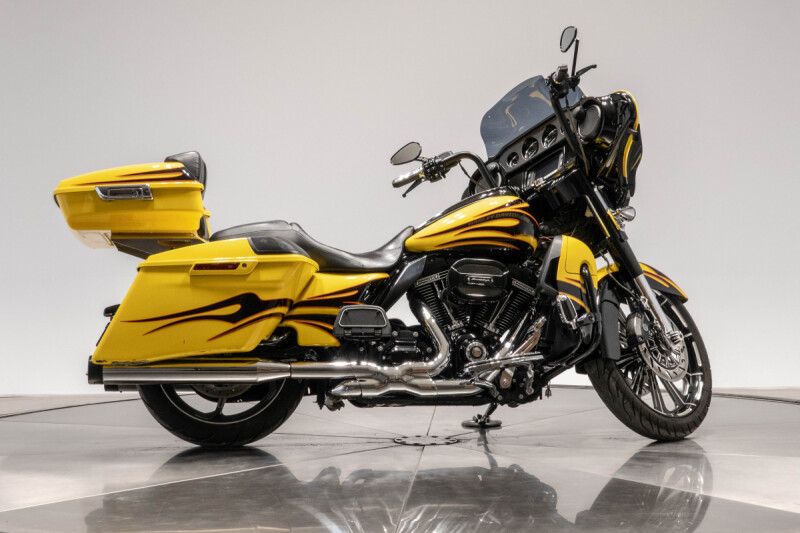
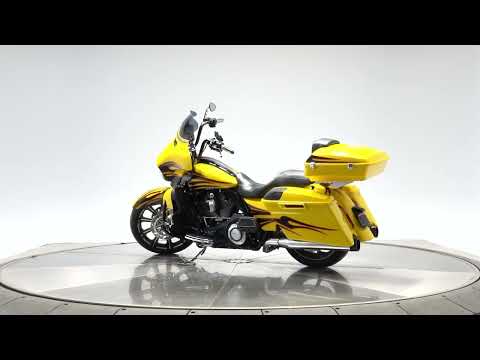
2015 HARLEY-DAVIDSON FLHXSE CVO STREET GLIDE in Scorching Yellow/Starfire Black
$19,499- 952484
- Pre-owned
- 2015
- 19318 mi
- Harley-Davidson®
- Wilkins Harley-Davidson®
- 1HD1PXN19FB952484
- Two-Tone Scorching Yellow/Starfire Black Flames
Inventory Spotlight2015 Harley-Davidson CVO Street Glide in Scorchin' Yellow & Starfire BlackLimited-Edition CVO Masterpiece, High-Voltage Factory Custom — 19,318 Miles. Own a legendary slice of Harley-Davidson's premium history with this jaw-dropping 2015 FLHXSE CVO Street Glide. As an elite, …
-
-
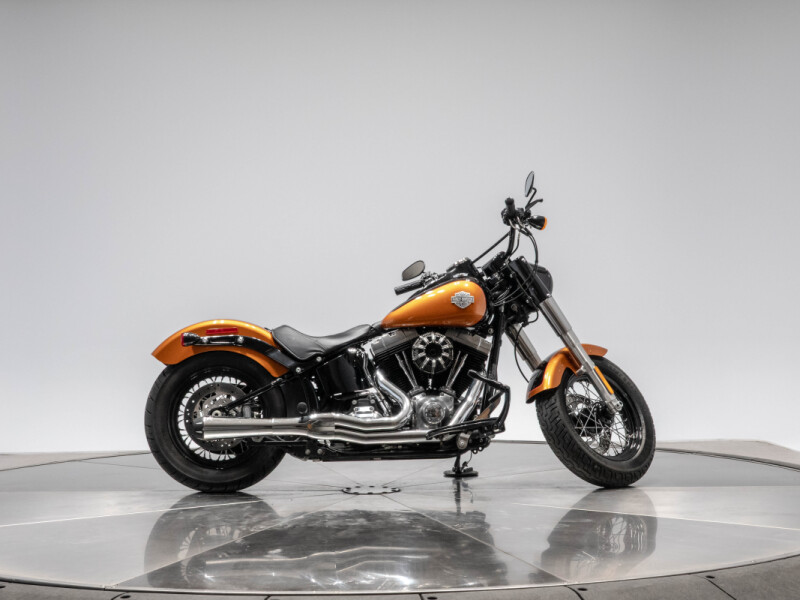
2015 HARLEY-DAVIDSON FLS SLIM in Amber Whiskey/Vivid Black
$11,299- 018717
- Pre-owned
- 2015
- 11516 mi
- Harley-Davidson®
- Wilkins Harley-Davidson®
- 1HD1JRV18FB018717
- Two-Tone Amber Whiskey/Vivid Black
Inventory Spotlight2015 Harley-Davidson Softail Slim in Amber Whiskey and Vivid BlackTimeless Custom Two-Tone Bobber, Low Miles - 11,516 Miles. Stripped down to its absolute essentials, this 2015 Softail Slim perfectly captures the raw, post-war bobber aesthetic. Bathed in the gorgeous, high-…
-
-
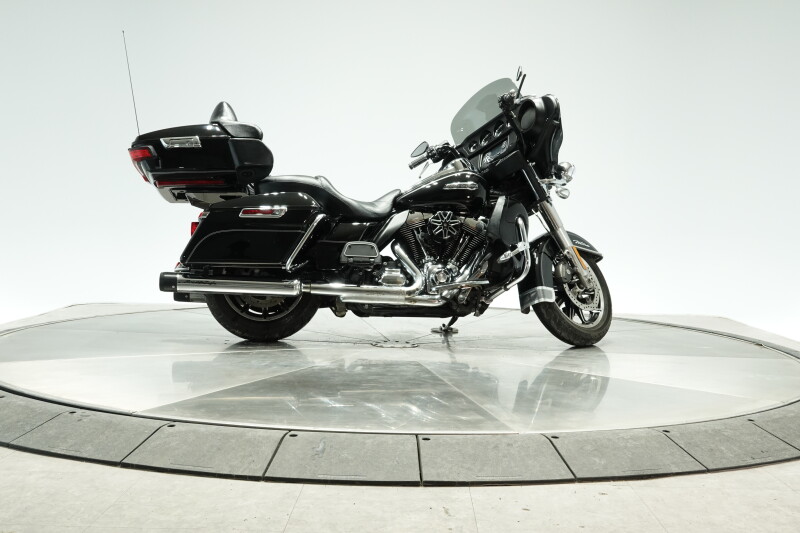
2016 HARLEY-DAVIDSON FLHTCU ELECTRA GLIDE ULTRA CLASSIC in Vivid Black with 16947 miles
$15,499- 675722
- Pre-owned
- 2016
- 16947 mi
- Harley-Davidson®
- Wilkins Harley-Davidson®
- 1HD1FCM17GB675722
- Vivid Black
Inventory Spotlight2016 Harley-Davidson Electra Glide Ultra Classic in Vivid BlackThe Absolute Standard for Long-Haul Comfort — 16,947 Miles. Set your sights on the horizon with this beautifully maintained 2016 FLHTCU Electra Glide Ultra Classic. Drenched in timeless, mirror-like Vivid Black …
-